
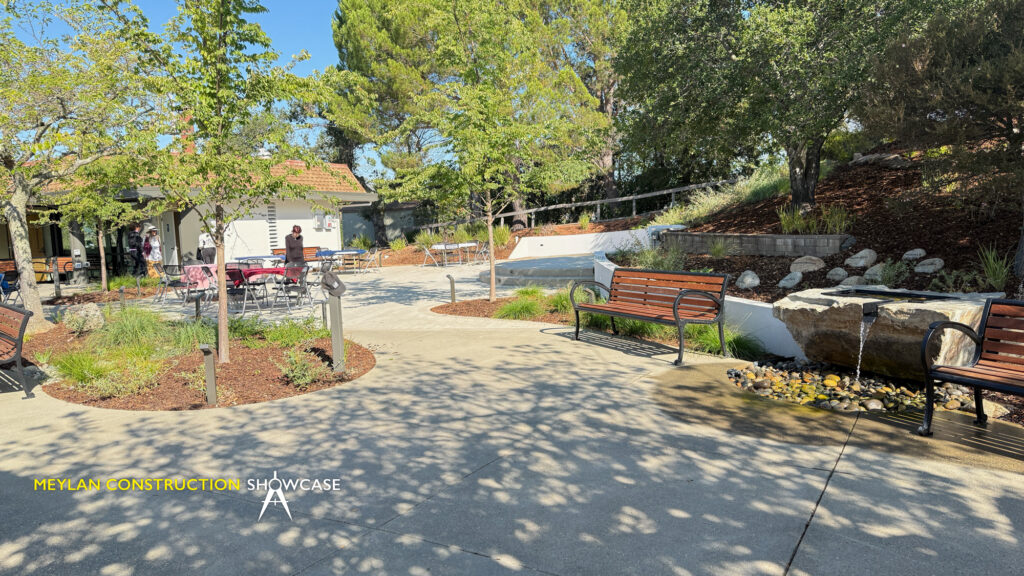
Meylan Construction is a Northern California commercial building contractor specializing in complex renovations, structural remediation, and mission-driven building improvements. When the Unitarian Universalist Church of San Rafael faced severe water intrusion and mold damage at its 240 Channing campus in Marin County, the organization needed more than repairs—it needed a long-term solution that would protect the building, meet code requirements, and support financial sustainability. The lower level had become unusable due to hydrostatic pressure pushing moisture through hillside walls, making classrooms unsafe and limiting the church’s ability to host programs or generate revenue.
Meylan Construction developed a strategic remediation plan that addressed drainage and grading at the source, restored damaged interior spaces, expanded ADA-compliant facilities, and upgraded outdoor event areas. By combining technical expertise with budget-conscious planning, Meylan transformed a mid-century hillside property into a healthy, usable, and revenue-generating community facility—demonstrating how an experienced commercial building contractor can solve complex building challenges while protecting long-term asset value.
The Challenge: Water in the Walls and Mold in the Classroom
From the outside, 240 Channing in Marin County looked like a peaceful, mid-century church campus tucked into the hillside. But on the inside, mold, mildew, and water intrusion made the lower-level rooms unusable. “They couldn’t hold classes downstairs,” said Joe Meylan. “It was damp, musty—unhealthy. You can’t run a child development program in that.”
The water was relentless. Hydrostatic pressure from the hillside had forced its way through the lower walls for years. The church knew they had to do something. But like many nonprofits, they faced the question that haunts capital projects: How do we afford this?
The Building: A Frank Lloyd Wright–Inspired structure of the ’50s
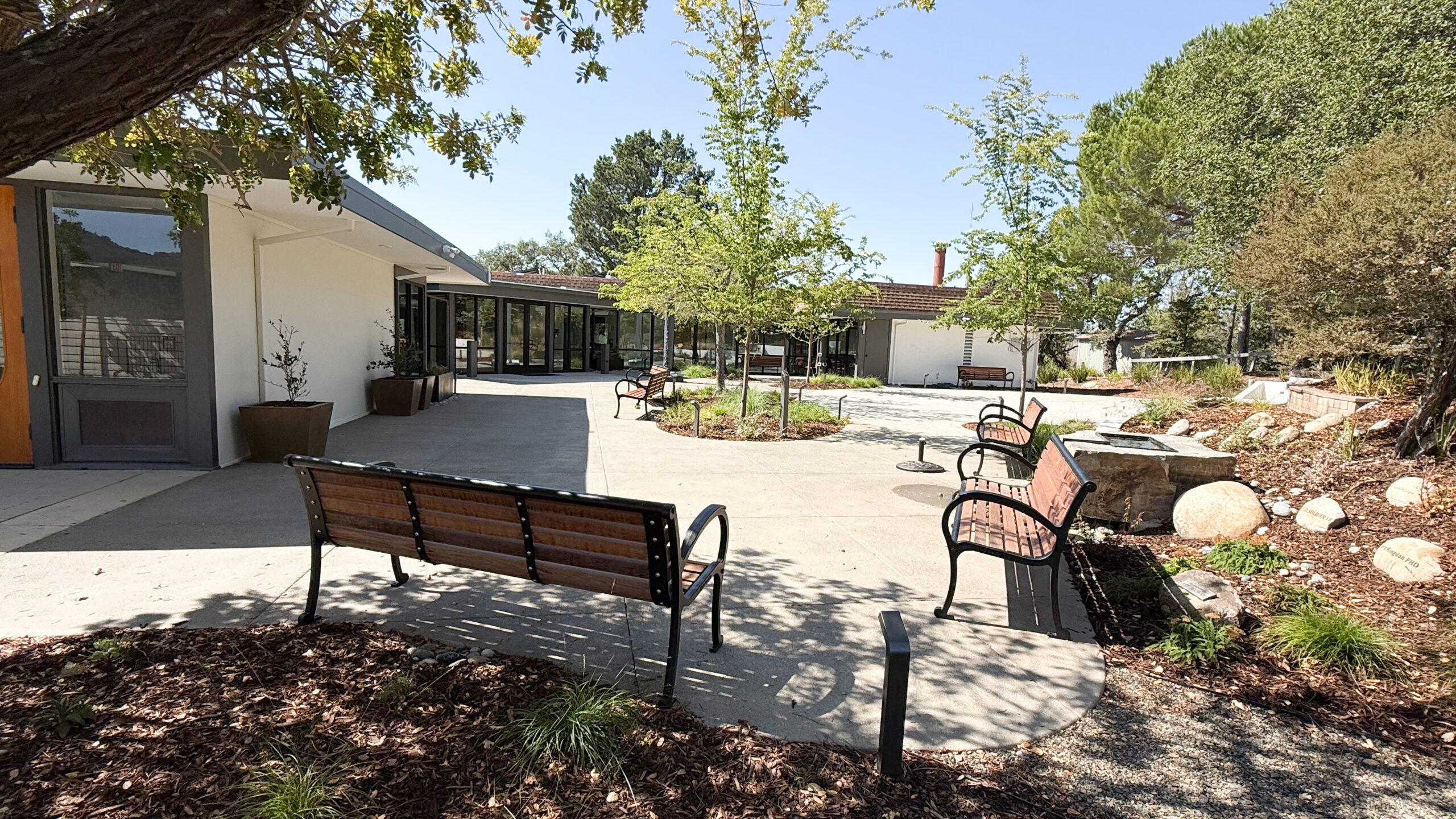
Built in the late 1950s, 240 Channing reflected the best of its era: minimalist design, a flat roofline, clean glass panes, and earthy materials. “It was kind of that Frank Lloyd Wright-meets-ridge-line aesthetic,” Joe said. “They even used peeled telephone poles for support columns. Beautiful, but quirky.”
But the building’s connection to the land was both its charm and its curse. Partially buried into the hillside, it was highly exposed to the elements—especially water. “It’s like the mountain was slowly pushing its way inside,” Joe explained.
The Owner’s Goal: Make the Space Usable and Revenue Generating
The property belonged to a local church with a clear, if daunting, goal: make the space usable again—not just for worship, but as a community resource. “They wanted to host events, rent out rooms, run programs—everything from Zumba classes to weddings,” said Joe. “But they couldn’t do that if they had mold and leaking walls.”
Their financial model hinged on one thing: upgrading the building enough to create revenue-generating space. “It was a leap of faith,” Joe said. “Spend money now to earn money later. But they didn’t have a lot of wiggle room.”
Meylan’s Role: Build Strategically, Think Like a Steward
From the start, Joe wore more than a builder’s hat. He acted as a guide, helping the church committee weigh each decision through the lens of long-term value. “They had a limited budget,” Joe explained. “We originally planned to fully waterproof the lower level. But it was too expensive.”
Instead, Joe proposed a workaround. “Rather than fight the water at the wall, we addressed the source. We reworked drainage and grading above to redirect water before it ever hit the structure.” It was a risk—but a calculated one.
Joe’s strategy allowed them to focus their funds on expanding ADA-compliant bathrooms, upgrading the outdoor plaza for events, and restoring classroom space. “The idea was to make it usable, beautiful, and code-compliant—so they could generate income.”
The Outcome: A Transformed Space That Can Sustain Itself
The project ended on a high note. New spaces were open. The plaza was hosting events. Classrooms were ready to welcome children.
A parishioner said, “We love it! It is so peaceful!”
The church now has a facility that can help fund itself. Between event rentals, community programs, and newly activated rooms, the upgrades opened new possibilities for financial sustainability.