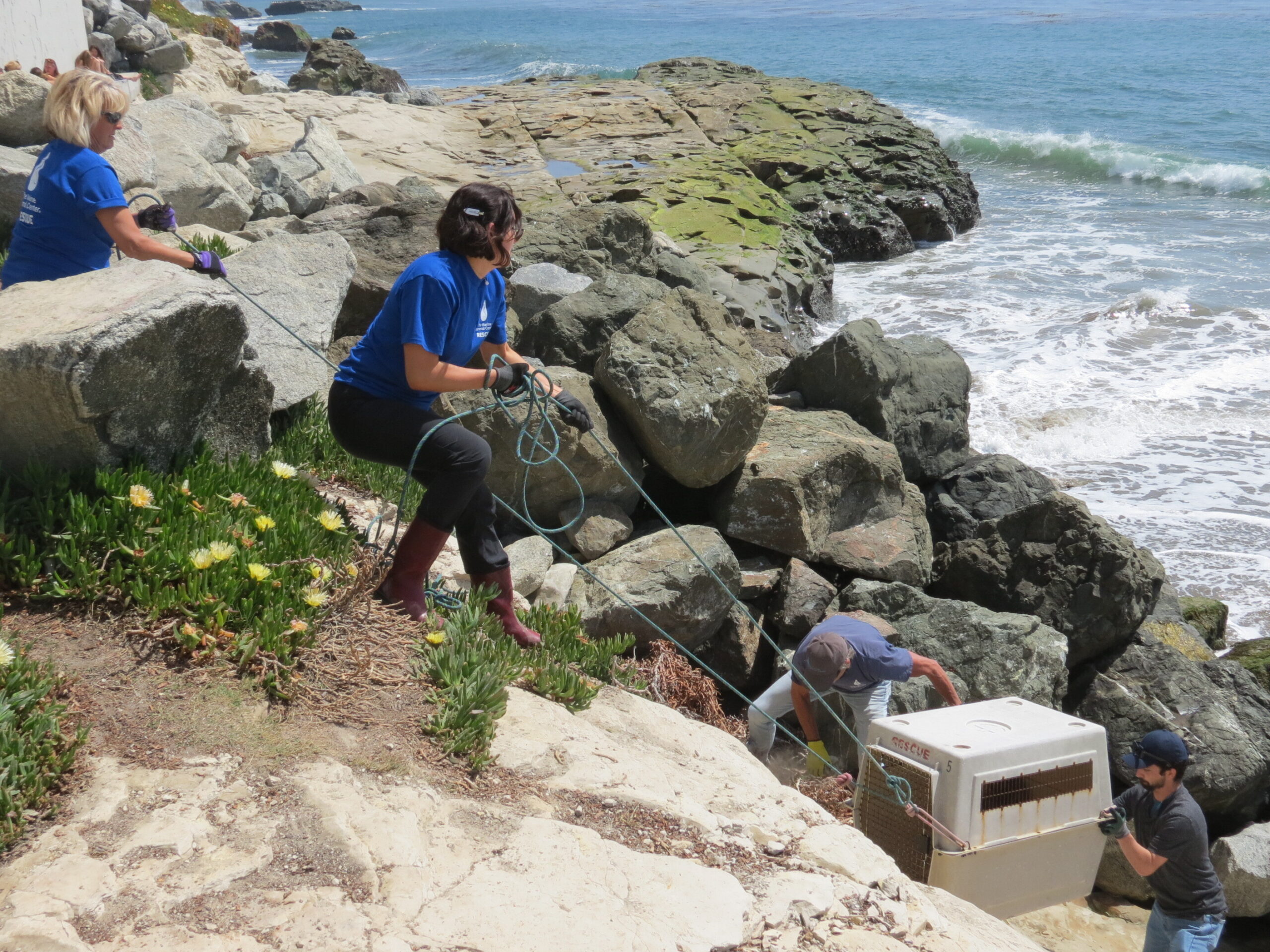
The Challenge: Sick Marine Animals rescued in the Monterey Bay area could not survive the long transport to the further north Marin-based special services hospital.
Meylan Construction is a Northern California commercial building contractor specializing in complex renovations, infrastructure upgrades, and purpose-built facilities for nonprofit and institutional clients. When The Marine Mammal Center needed to establish a satellite rehabilitation hospital in Moss Landing to serve rescued sea lions and elephant seals in the Monterey Bay region, they turned to Meylan to transform an unlikely property into a functional, code-compliant medical stabilization facility. Critically ill marine animals were not surviving the long transport to the organization’s primary hospital in Sausalito, making a regional stabilization center essential to saving lives.
Meylan Construction retrofitted a former industrial yard and office structure into a fully operational marine mammal rehabilitation site, complete with trench drainage systems, sanitary sewer tie-ins, concrete enclosures, food preparation facilities, and durable wash-down infrastructure. Working within strict environmental regulations and a nonprofit budget, the team delivered a resilient, low-maintenance facility designed for animal care, sanitation, and long-term operational efficiency—demonstrating how an experienced commercial building contractor can adapt underutilized industrial properties into specialized, mission-critical facilities.
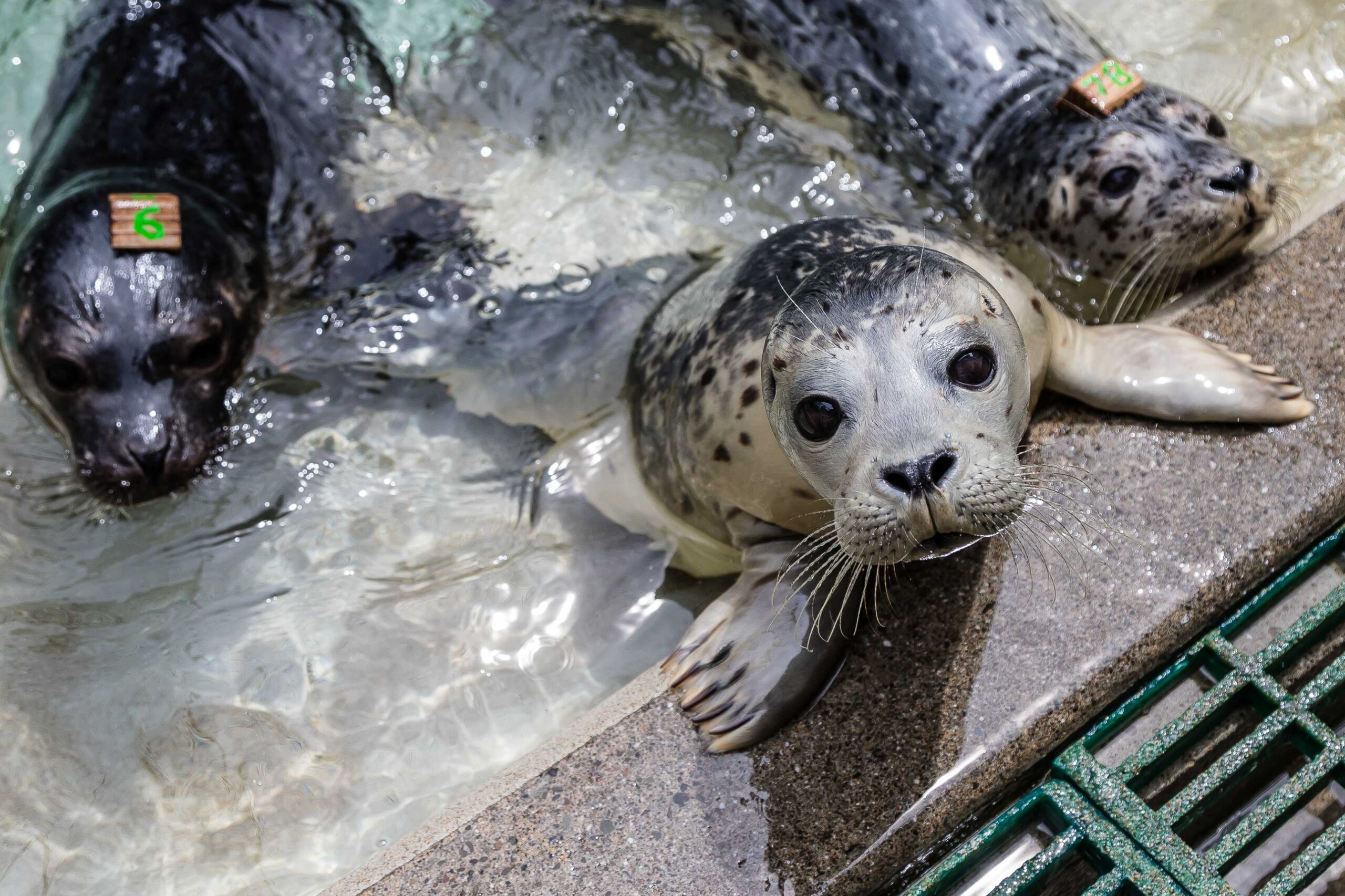
The Marine Mammal Center
The Marine Mammal Center in Sausalito is a world-class rehabilitation facility located near Rodeo Beach in Marin County just north of San Francisco. Animals such as sea lions and elephant seals that are seriously injured or sick and are can be treated at the center. However, the facility is too far away to tend to the very sick sea animals needing care further down the coast in Monterey Bay, or to the far north of the California Coast.
For this reason the Marine Mammal Center has multiple locations up and down the coast where they can rehabilitate sick animals to the point that they could endure a transport to Marin for specialty care. One of those locations, which provides care for Monterey Bay sea animals, was in a very high rent location and wanted to move in order to preserve funding that could go towards animal care. They located a new location with a lower monthly cost, and .
“They were losing animals,” said Joe Meylan. “By the time they got from Monterey or Santa Cruz up to Sausalito, it was too late for some of them.”
The Center needed a satellite location in the Monterey Bay region—a place to stabilize marine mammals before sending them north for advanced care. But the building they found? “It was basically a junkyard shack,” Joe said. “A former pull-and-pick auto lot in the middle of nowhere.”
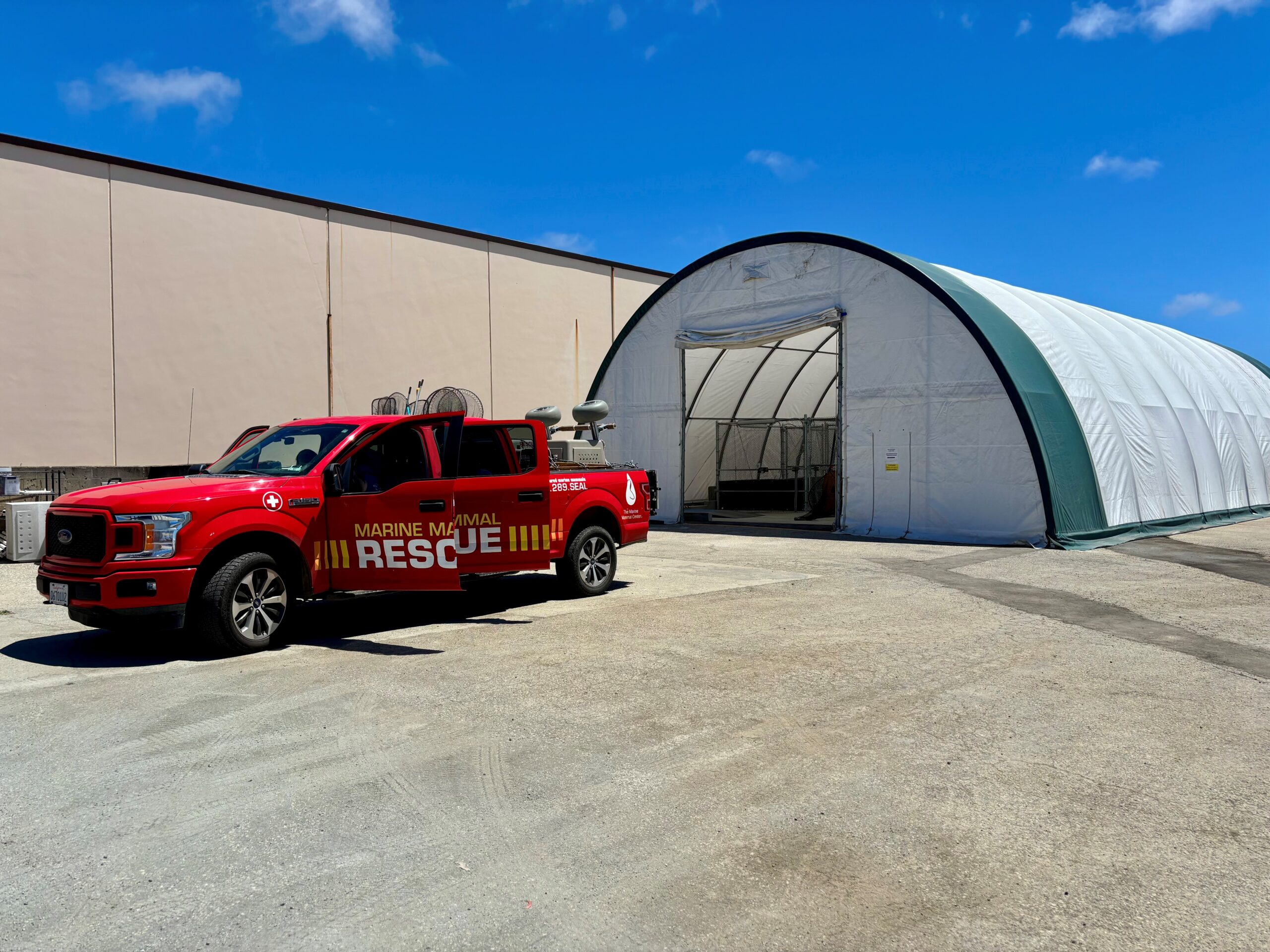
The Building: From Roofing Yard to Rescue Center
The site was formerly owned by a roofing company. A battered office building sat on the lot, surrounded by a large, paved yard littered with debris.
“It wasn’t much,” Joe said. “But the rent was cheap, and the zoning worked.”
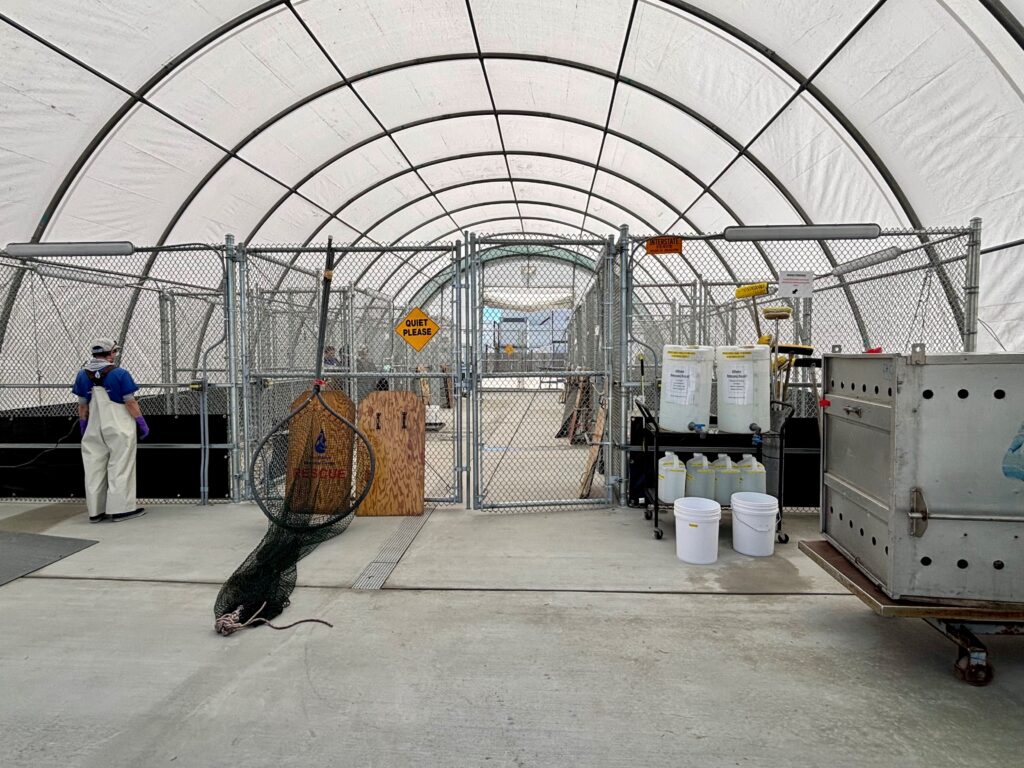
The idea was to retrofit the office into a prep facility—part veterinary, part kitchen—and turn the lot into a wash-down-friendly seal enclosure. “We were essentially building a dog kennel,” Joe explained, “but for wild marine mammals that weigh a few hundred pounds, bark like crazy, and need sterile conditions.”
The Owner’s Goal: Build a Hospital That’s Invisible to the Ocean
The Marine Mammal Center is a nonprofit with a clear mission: rescue, rehab, and release. Their new facility in Moss Landing needed to operate under strict environmental standards. It had to be secure, washable, efficient, and—most importantly—compliant with sewer regulations.
“Here’s the irony,” said Joe. “These seals poop in the ocean every day. But at the rehab center, that poop had to go into the sanitary sewer, not the storm drain. It was an environmental regulation. And it made things complicated.”
The site had a septic tank. That had to go. New drains needed to slope perfectly from the rear yard to the sewer line up front. Every enclosure had to wash down into trench drains. It wasn’t glamorous—but it mattered.
Meylan’s Role: Infrastructure, Systems, and Real-Time Problem Solving
Joe’s team was responsible for the site transformation: concrete work, sewer tie-ins, fencing, and interior upgrades. “We put in new slabs, trench drains, washable fencing, and a shade structure donated by the neighbors across the street,” Joe said. “But even the shade structure was tricky—we had to disassemble it, pour new footings, and reassemble it.”
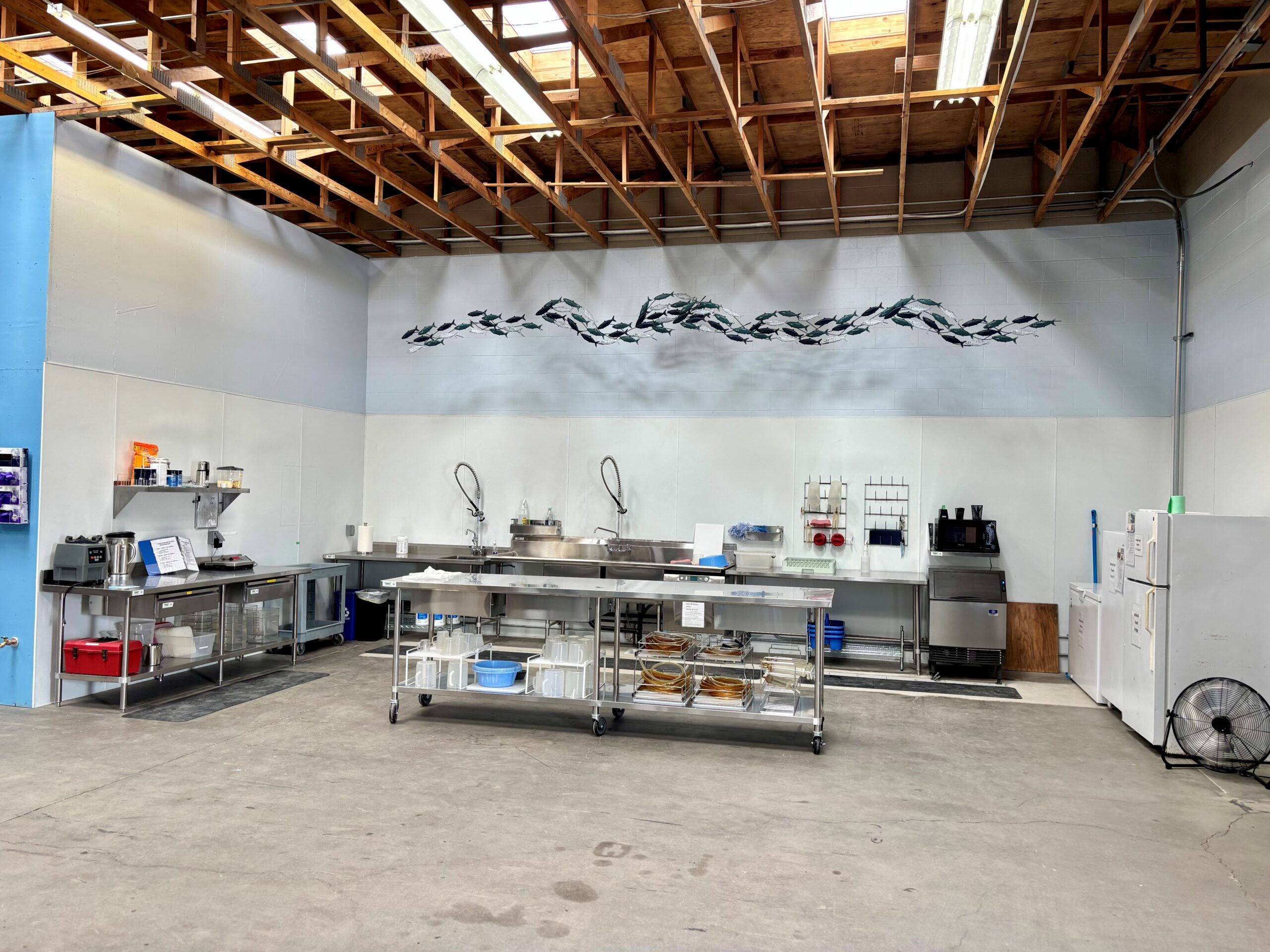
Inside the old warehouse, Meylan converted space into a food prep kitchen. “They grind up fish for the seals. It’s not glamorous, but it’s essential,” Joe said. “We installed drainage, sinks, power, and ventilation.”
The team also upgraded electrical systems to support lighting, heaters, and rescue equipment. “The center runs on volunteer labor and lean funding,” Joe said. “So we had to design everything for durability and low maintenance.”
The Outcome: A Scrappy Seal Hospital That’s Saving Lives
Today, the Moss Landing facility is up and running. Sea lions in trouble now have a place to go, a team to care for them, and a much better chance of survival.
“It’s not fancy,” Joe said. “But it’s exactly what it needs to be.”
The seal pens are shaded, the ground drains cleanly, and the kitchen hums with daily prep. Volunteers have the tools they need. Staff can do their jobs. And marine mammals get the care they deserve—closer to home.
“This was a gritty project,” Joe admitted. “But it’s one I’m really proud of. We helped build something that saves the lives of vulnerable marine animals.”